
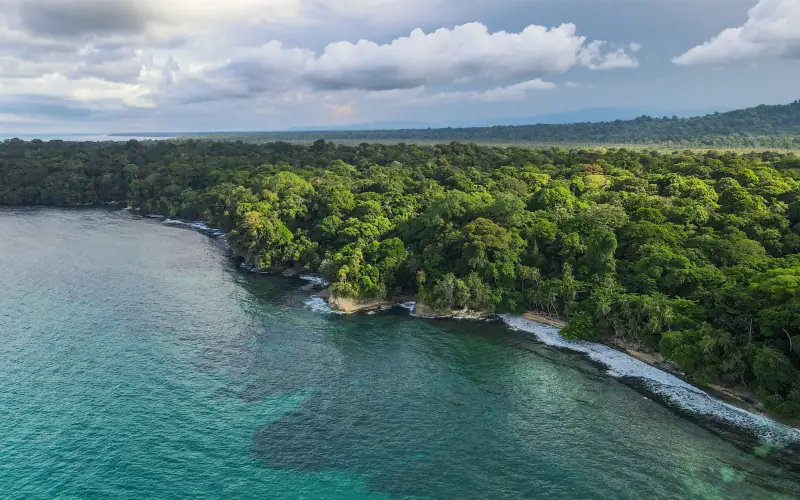
To reach certain villages, you have to board a lancha and travel along the coastline as the rainforest unfolds on the horizon. Little by little, the sound of the engine gives way to the crash of the waves, the song of the birds, and—depending on the season—the powerful spout of a whale breaking the surface.
Welcome to Colombia’s Pacific Coast.
Long off the beaten path of major tourist routes, this region reveals a profoundly different side of the country. Here, the beaches aren’t lined with resort hotels, the roads end well before reaching the ocean, and the jungle stretches all the way down to the black sand.
Afro-Colombian communities have lived for generations in tune with the tides, fishing, and the rivers that flow through Chocó.
This part of Colombia doesn’t seek to impress with its infrastructure or amenities.
It simply invites you to slow down, observe, and let nature be your guide.
Why is Colombia’s Pacific Coast so unique?
Colombia’s Pacific coastline stretches nearly 1,300 kilometers, from the border with Panama to the southern part of the country.
However, much of this territory remains inaccessible by road. Travel is primarily by boat, sometimes by plane, and distances are measured more in terms of travel time than in kilometers.
Among the region’s best-known destinations are:
- Nuquí.
- Bahía Solano
- El Valle.
- Ensenada de Utría.
Though still relatively unknown to European travelers, for many nature-loving Colombians, these names evoke an almost pristine forest, a vibrant ocean, and ever-present tropical rain.
This region is part of the Chocó biogeographic region, one of the most biodiverse areas on the planet.
The constant humidity sustains dense vegetation, where the trees seem to reach for the clouds. Rivers flow down from the mountains before emptying into the Pacific Ocean. Mangroves trace the coastline, while volcanic beaches change their appearance with the tides.
Here, very little has been altered to accommodate tourism.
It is the travelers who adapt to the land.
We take the boat because there are no roads. We wait for the tide before setting out. We accept that an excursion may be altered due to the weather, ocean conditions, or the sudden appearance of a whale offshore.
It is precisely this ability to maintain its own rhythm that makes this region so unique.
More than just a destination, the Colombian Pacific offers a different way to discover the country.
The Wildlife of Colombia’s Pacific Coast: A Spectacle That Follows the Rhythm of Nature
On Colombia’s Pacific coast, the day often begins before sunrise.
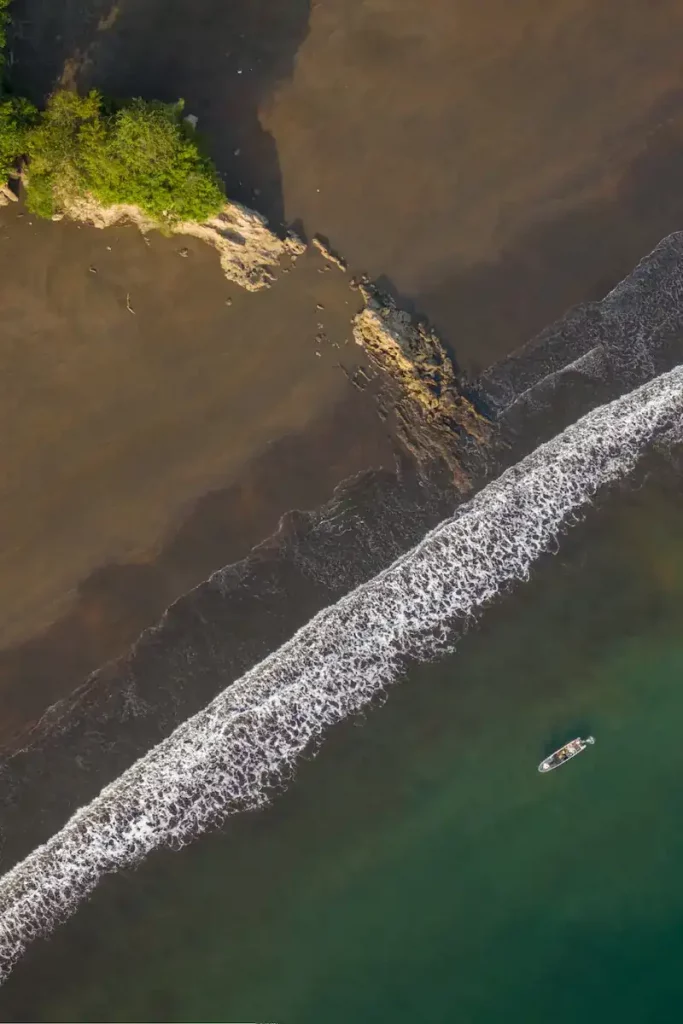
In the distance, the first boats leave the beach as the forest slowly awakens. The waves are still calm. Birds fly across the sky in search of food. Then, without warning, a spout appears on the surface of the water.
A few seconds later, the dark back of a humpback whale emerges from the ocean.
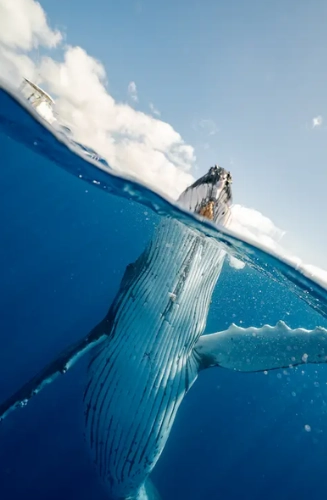
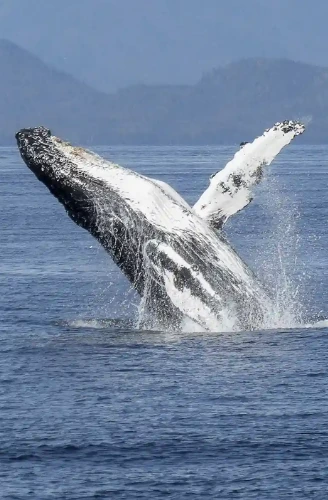
Between July and October, hundreds of whales migrate to the warm waters of the Pacific after traveling nearly 8,000 kilometers from Antarctica. They come here to give birth and care for their calves during their first weeks of life, in calmer and more temperate waters.
Watching these giants of the sea is one of the most memorable experiences of a trip to this region.
Yet what is most impressive is not just their size.
It is the silence that precedes each appearance.
Engines slow down, conversations fall silent, and all eyes turn toward the horizon. When a whale slaps the surface with its fin or leaps completely out of the water, the spectacle often gives way to a few seconds of awe and silence.
Here, nature sets the pace.
Watching Marine Mammals
Whales aren’t the only inhabitants of these waters.
At different times of the year, dolphins regularly accompany boats traveling between Nuquí, Bahía Solano, and El Valle. They are frequently seen in this part of the Pacific, where boat traffic remains relatively limited.
Beneath the surface, sea turtles swim around the reefs, while majestic manta rays glide with astonishing elegance.
Between March and June, whale sharks can even be spotted in certain areas. Despite its impressive size, the world’s largest fish is completely harmless to humans and offers one of the most extraordinary encounters possible in this region.
Every trip out to sea is unique.
It is precisely this element of the unexpected that makes each sighting so special.
A tropical forest teeming with fascinating animals
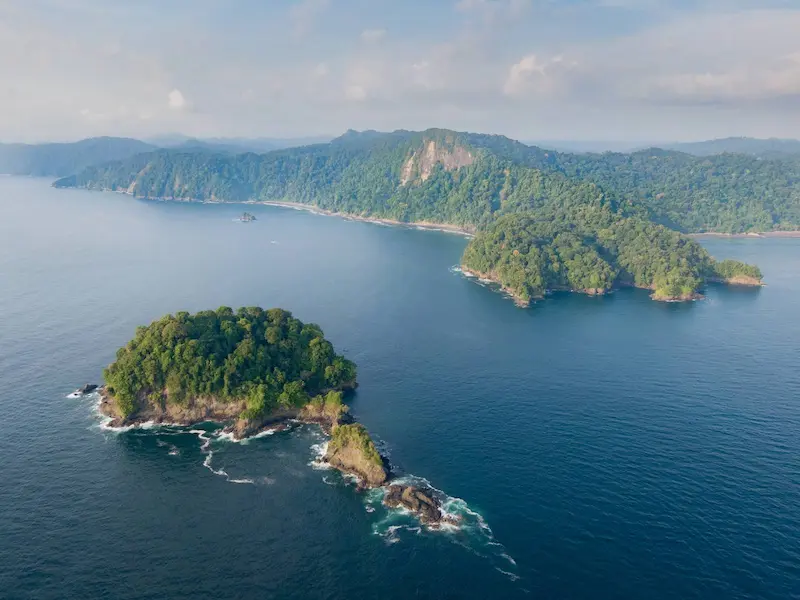
Just a few hundred meters from the coast, the rainforest is home to equally spectacular biodiversity.
At dawn, the first to make themselves heard are the howler monkeys. Their deep cries sometimes echo for several kilometers even before the first rays of sunlight pierce the canopy.
More discreet, capuchin monkeys move in small groups among the highest branches. Curious by nature, they sometimes observe visitors before disappearing as quickly as they appeared.
Sloths, on the other hand, require more patience.
Remaining perfectly still for hours on end, they blend into the landscape. It often takes the trained eye of a local guide to make out their silhouettes among the moss-covered tree trunks.
Every forest walk thus holds its share of surprises, even when you think you’re not seeing anything.
A Birdwatcher’s Paradise
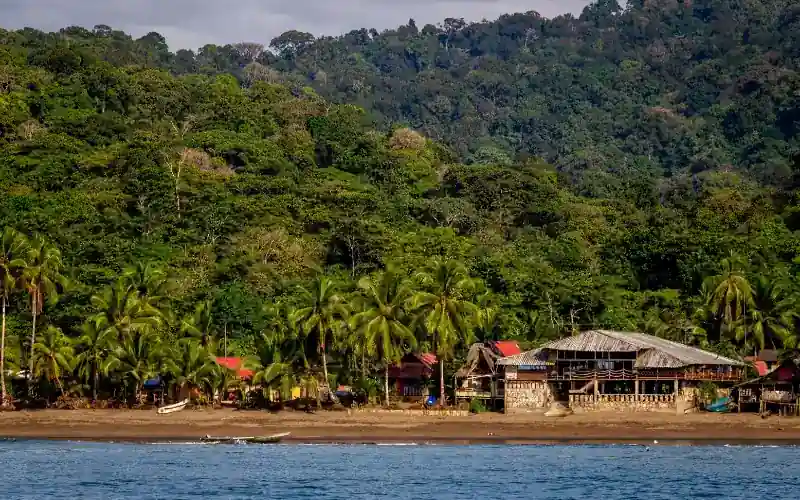
The Chocó biogeographic region is also considered one of South America’s largest bird sanctuaries.
Birdsong accompanies you on virtually every outing.
Toucans fly across clearings before disappearing into the vegetation, while herons wait patiently along the mangroves. Kingfishers dive with remarkable precision into the estuaries, and many endemic species live exclusively along this Pacific coastline.
In total, several hundred bird species have been recorded in the region.
For wildlife photography enthusiasts and nature lovers alike, every excursion becomes an opportunity to observe an exceptionally rich variety of wildlife.
Here, you don’t have to travel for miles to encounter wildlife.
It’s simply part of everyday life.
The Flora of the Colombian Pacific: An Extraordinary Rainforest
On Colombia’s Pacific coast, rain is never far away.
It may fall for a few minutes before giving way to a bright sky, then return in the late afternoon as if the forest needed to catch its breath.
This constant alternation largely explains the extraordinary richness of the vegetation.
The Chocó biogeographic region is among the wettest on the planet. Some areas receive several meters of rainfall each year, providing ideal conditions for the development of a particularly dense tropical rainforest.
Here, giant trees stand alongside ferns, vines, palm trees, and a multitude of plants that seem to be vying for every ray of sunlight.
Walking beneath this canopy is a unique experience.
Light struggles to penetrate the foliage, the air grows cooler, and the scent of damp earth gradually replaces that of the ocean, even though it lies just a few hundred meters away.
Mangroves: A Vital Ecosystem
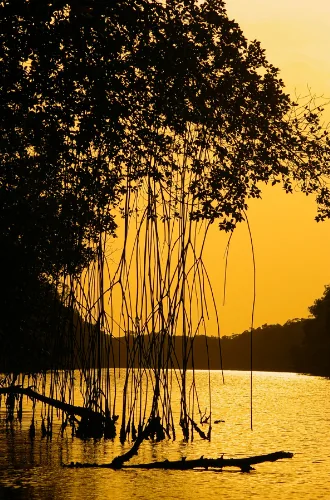
Mangroves are among the most iconic landscapes of the Colombian Pacific.
At high tide, their roots disappear beneath the water. A few hours later, they reappear, forming a veritable labyrinth of vegetation where fish, crabs, shrimp, mollusks, and numerous species of birds seek refuge.
Much more than just a natural backdrop, these ecosystems play a fundamental role in maintaining the balance of the coastline.
They limit coastal erosion, naturally filter the water, and serve as a nursery for many marine species during their first months of life.
Without the mangroves, much of the biodiversity of the Colombian Pacific simply could not thrive under the same conditions.
A tropical forest of incredible diversity
As you move away from the coast, the landscape gradually changes.
The trees sometimes reach heights of several dozen meters and form an almost impenetrable canopy.
Wild orchids, thick mosses, and bromeliads—which can hold several liters of rainwater between their leaves—grow on their trunks.
On the ground, giant ferns cover the forest floor, while vines wind their way around the trees in search of light.
Every hike gives the impression of entering an environment that remains largely unspoiled, where nature has been following its own rhythm for thousands of years.
Exceptional plant biodiversity
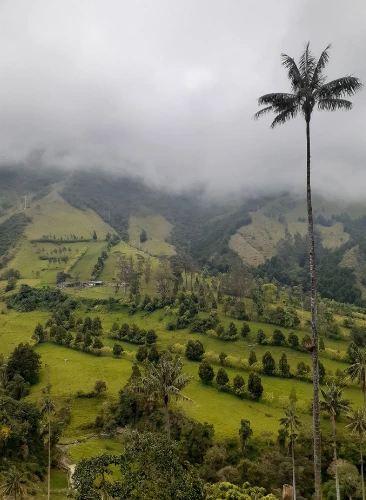
Nothing was planted to attract visitors.
The vegetation we see today has existed naturally for millennia.
This tropical forest is one of Colombia’s most important reservoirs of biodiversity.
It plays an essential role in regulating the local climate, feeds the many rivers that flow into the Pacific Ocean, and provides a vital habitat for hundreds of animal species.
Every plant, every tree, and every waterway contributes to a particularly fragile ecological balance.
That is why local communities, guides, and responsible tourism stakeholders are actively committed to preserving this exceptional natural heritage.
Exploring this region is therefore not just about admiring spectacular landscapes.
It is also about understanding the value of one of the richest and best-preserved ecosystems on the planet.
Afro-Colombian Communities: The Heart of the Colombian Pacific
The richness of the Colombian Pacific is not limited to its landscapes.
It can also be discovered through the women and men who have lived in this region for generations.
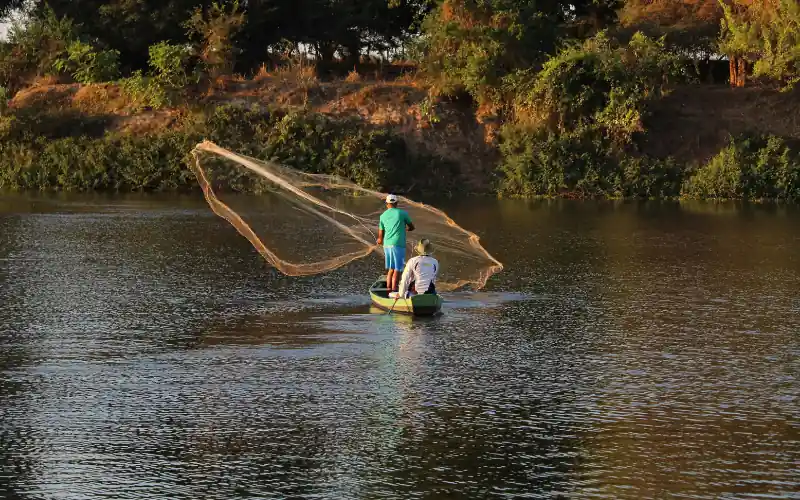
In villages like Nuquí, Bahía Solano, El Valle, and Jurubirá, the day often begins at sunrise.
Fishermen head out to sea before the heat of the day sets in, while children walk to school along the beaches. Further away, the sound of hammers accompanies the construction of a wooden canoe, while the kitchens begin to fill the air with the aromas of coconut milk, freshly caught fish, and tropical fruits.
These everyday scenes reveal the authentic Colombia, far from the big cities and traditional tourist routes.
A culture shaped by nature
The history of the Pacific coast is closely tied to the Afro-Colombian communities that have lived in this region for several centuries.
Over time, they have developed a culture deeply influenced by their environment.
The ocean, rivers, rainforest, and mangroves are not merely a natural backdrop—they form the foundation of their way of life.
Artisanal fishing, traditional navigation, and knowledge of the forest continue to be passed down from generation to generation.
This close relationship with nature largely explains why these areas have retained their authenticity despite the gradual growth of tourism.
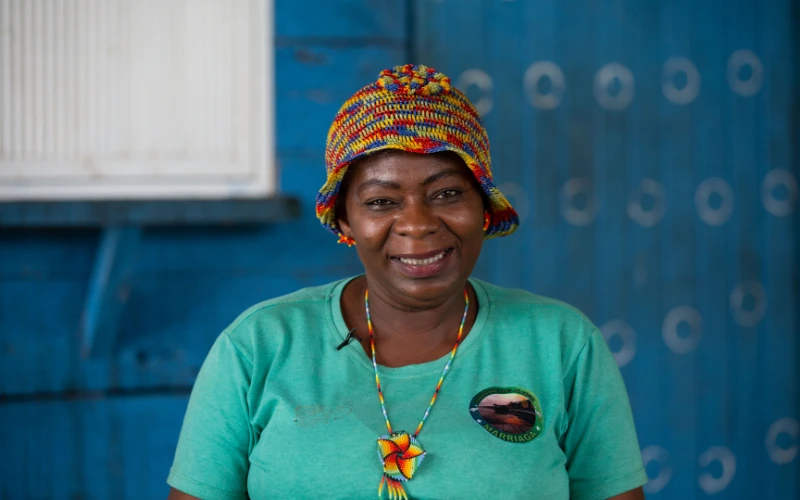
A vibrant culinary culture and traditions
The local cuisine perfectly reflects this identity.
The specialties highlight seafood, coconut milk, plantains, fragrant rice, and a wide variety of tropical fruits.
Every meal becomes a true culinary discovery.
Music also plays an essential role in local life.
The rhythms of the currulao, recognized as part of Colombia’s cultural heritage, accompany many celebrations. The sounds of marimbas, drums, and percussion instruments regularly echo through the villages, keeping alive traditions passed down through generations.
Beyond music and cuisine, many traditional skills continue to be preserved: boatbuilding, traditional fishing, local crafts, and the use of medicinal plants from the forest.
An encounter that gives the trip its true meaning
Traveling along Colombia’s Pacific coast isn’t just about whale watching or exploring a rainforest.
It’s also about taking the time to connect with the people who bring this region to life.
Whether during a stroll, a boat trip, or a shared meal, the locals are happy to talk about their daily lives, their traditions, and their deep connection to this region, which remains largely unspoiled.
These encounters add a human touch to the journey.
They allow you to discover another side of Colombia—one that’s more understated, more authentic, and deeply rooted in nature.
Ultimately, what often leaves the deepest impression on travelers is not just the beauty of the landscapes, but the warm welcome from local communities and their way of living in harmony with an exceptional environment.
What is there to do on Colombia’s Pacific coast?
Every day spent on Colombia’s Pacific coast is different.
Here, the itinerary isn’t dictated by a list of sights to see, but by the tides, the weather, sailing conditions, and—sometimes—the sighting of a whale offshore.
It is precisely this unpredictability that makes every trip unique.
Whether you’re a nature enthusiast, a hiking lover, a water sports fan, or simply looking to unwind, this region offers a multitude of experiences that bring you up close to its exceptional natural surroundings.
Humpback Whale Watching
Between July and October, the Colombian Pacific becomes one of the best places in South America to watch humpback whales.
After several months of migration from Antarctica, they reach the warm waters off the Colombian coast to give birth and raise their calves.
The boat tours are led by local guides who are thoroughly familiar with the habits of these marine mammals.
The boats maintain strict observation distances to preserve the whales’ peace while allowing travelers to experience an unforgettable spectacle.
Every trip is different.
Some offer the chance to witness impressive leaps out of the water, while others simply provide the privilege of watching a mother and her calf swimming peacefully just a few dozen meters from the boat.
For those interested in learning more about this topic, we’ve dedicated an entire article to whale watching in Colombia, featuring practical tips, the best times of year, and the top regions to visit.
Explore Utría National Natural Park
Utría National Natural Park is one of the region’s must-see attractions.
Accessible primarily by boat, it protects one of the most beautiful ecosystems along the Pacific coast.
Its famous wooden boardwalks wind through the mangroves before reaching a vast bay where the rainforest seems to literally plunge into the ocean.
Along the walk, you can spot numerous birds, crabs, tropical fish, and a particularly rich variety of flora.
During whale season, it’s not uncommon to spot female whales accompanied by their calves from certain observation points in the park.
This excursion offers an excellent overview of everything that makes up the natural richness of the Colombian Pacific.
Go hiking in the heart of the rainforest
Hiking is undoubtedly the best way to explore the interior of Chocó.
Accompanied by a local guide, you’ll follow trails that wind beneath a dense canopy, cross rivers, pass by waterfalls, and lead to completely untouched beaches.
As you walk, the forest gradually reveals all its richness.
The song of birds accompanies visitors, while howler monkeys can sometimes be heard echoing in the distance.
With a little patience, you may also spot sloths, capuchin monkeys, or a multitude of endemic bird species.
Some hikes also lead to hidden waterfalls where you can enjoy a refreshing swim before continuing your exploration.
Enjoy the natural hot springs
Around Nuquí, several hot springs naturally bubble up in the heart of the rainforest.
After a hike or a day spent at sea, these natural pools offer a much-appreciated moment of relaxation.
The water, naturally heated by the region’s geothermal activity, contrasts with the coolness of the surrounding jungle.
The setting is particularly peaceful.
Surrounded by lush vegetation and lulled by the sounds of the forest, you can enjoy a moment of calm far from the hustle and bustle.
Explore the ocean floor while snorkeling or scuba diving
Beneath the surface, the Colombian Pacific reveals an equally fascinating world.
Snorkelers can observe a wide variety of tropical fish, sea turtles, starfish, and, depending on conditions, a few rays.
Experienced divers, meanwhile, will discover volcanic reefs, coral-covered rock formations, and an exceptionally abundant array of marine life.
Visibility varies depending on the season and weather conditions, but the richness of the ecosystems makes every dive a unique experience.
In some areas, you may even encounter dolphins or manta rays swimming in open water.
Unwind on secluded beaches
Colombia’s Pacific coast is home to many virtually deserted beaches.
Here, there are no large hotel resorts or long rows of beach chairs.
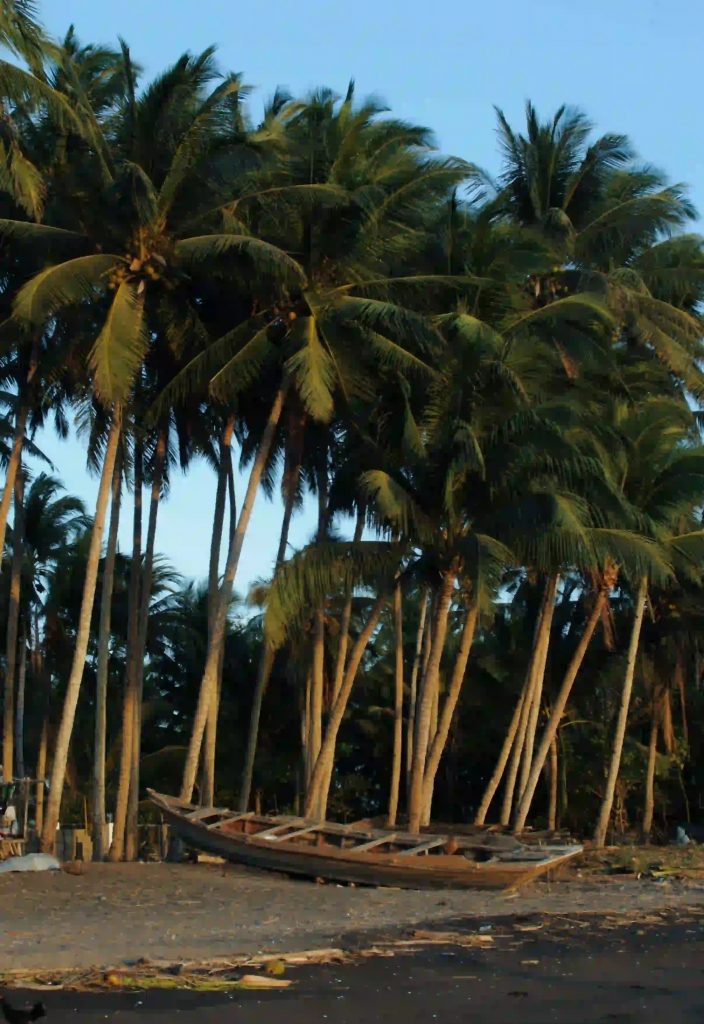
Volcanic sand, coconut palms, and the jungle create a rugged landscape where time seems to slow down. Whether you’re reading by the ocean, watching a sunset, listening to the waves, or simply enjoying the peace and quiet, these beaches offer a true escape from mass tourism.
This is undoubtedly one of the greatest luxuries this region has to offer.
Each activity allows you to discover a different facet of the Colombian Pacific.
Some invite adventure, others contemplation or relaxation.
But they all have one thing in common: they are experienced with respect for a natural environment that remains largely unspoiled—which is the true wealth of this region.
When is the best time to visit Colombia’s Pacific Coast?
Unlike other regions of the country, the Colombian Pacific Coast can be explored year-round.
The climate there is hot, tropical, and particularly humid. Rainstorms are frequent, but they directly contribute to the richness of the forest and the incredible biodiversity that characterizes this region.
The most popular time to visit, however, is during humpback whale season.
Between July and October, these giants of the sea migrate to the warm waters off the Colombian coast to give birth and raise their calves. Sightings are particularly frequent during this time and are one of the highlights of a trip to Chocó.
Even outside of this season, the region remains well worth visiting.
Travelers coming for hiking, snorkeling, scuba diving, birdwatching, or interactions with local communities will enjoy an equally authentic experience.
Ultimately, the best time to visit depends mainly on your preferences.
Each season reveals a different facet of the Colombian Pacific.
How can you include the Colombian Pacific Coast in a trip to Colombia?
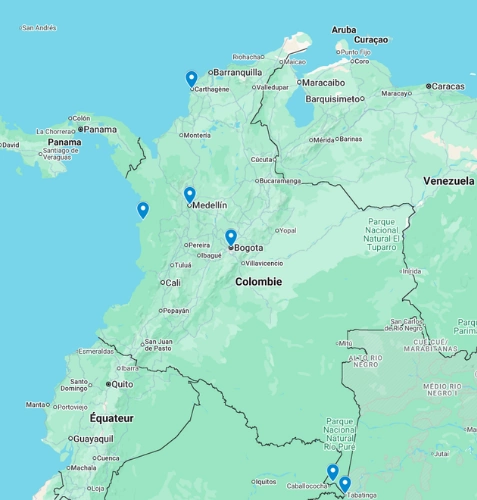
This region fits easily into a more comprehensive itinerary through Colombia.
After spending a few days in Nuquí, Bahía Solano, and Utría National Natural Park, many travelers continue their adventure to Medellín, the coffee region, or the Colombian Caribbean.
For nature lovers, our “Exotic Animals” tour allows you to explore several of the country’s most remarkable ecosystems, with a special focus on observing wildlife in its natural habitat.
If your priority is to witness the whale migration, our “Humpback Whale Watching” tour has been specially designed around this exceptional event. Several days are dedicated to exploring the Pacific coast and observing these impressive marine mammals.
Finally, if you’d like to venture off the beaten path, our “Colombia Off the Beaten Path” tour takes you to discover regions that are still relatively unknown, far from traditional tourist routes.
Why Explore the Colombian Pacific?
There is a widespread belief that one must travel to the other side of the world to discover unspoiled lands.
The Colombian Pacific proves that such places still exist. Here, the forest sets the pace.
The tides dictate when boats set sail.
The whales return every year from Antarctica, and no one can speed up their journey.
This region reminds us that true luxury doesn’t always lie in infrastructure or high-end hotels.
Sometimes it’s found in the silence of a deserted beach, in a hike through the heart of a primary forest, in a meal shared with locals, or in the thrill of seeing a whale surface just a few meters from a boat.
It is this authenticity that is the true strength of the Colombian Pacific.
Want to explore this wild region?
Our team will help you plan a completely personalized trip.
Whether you want to go humpback whale watching, explore the Utría National Natural Park, meet Afro-Colombian communities, or discover the unspoiled landscapes of Chocó, we’ll work with you to create an itinerary tailored to your interests and your pace.
Thanks to our in-depth knowledge of the region and our network of local partners, we’ll help you enjoy an authentic experience, far from mass tourism.
Contact us today so we can plan your next trip together to the heart of the Colombian Pacific.


